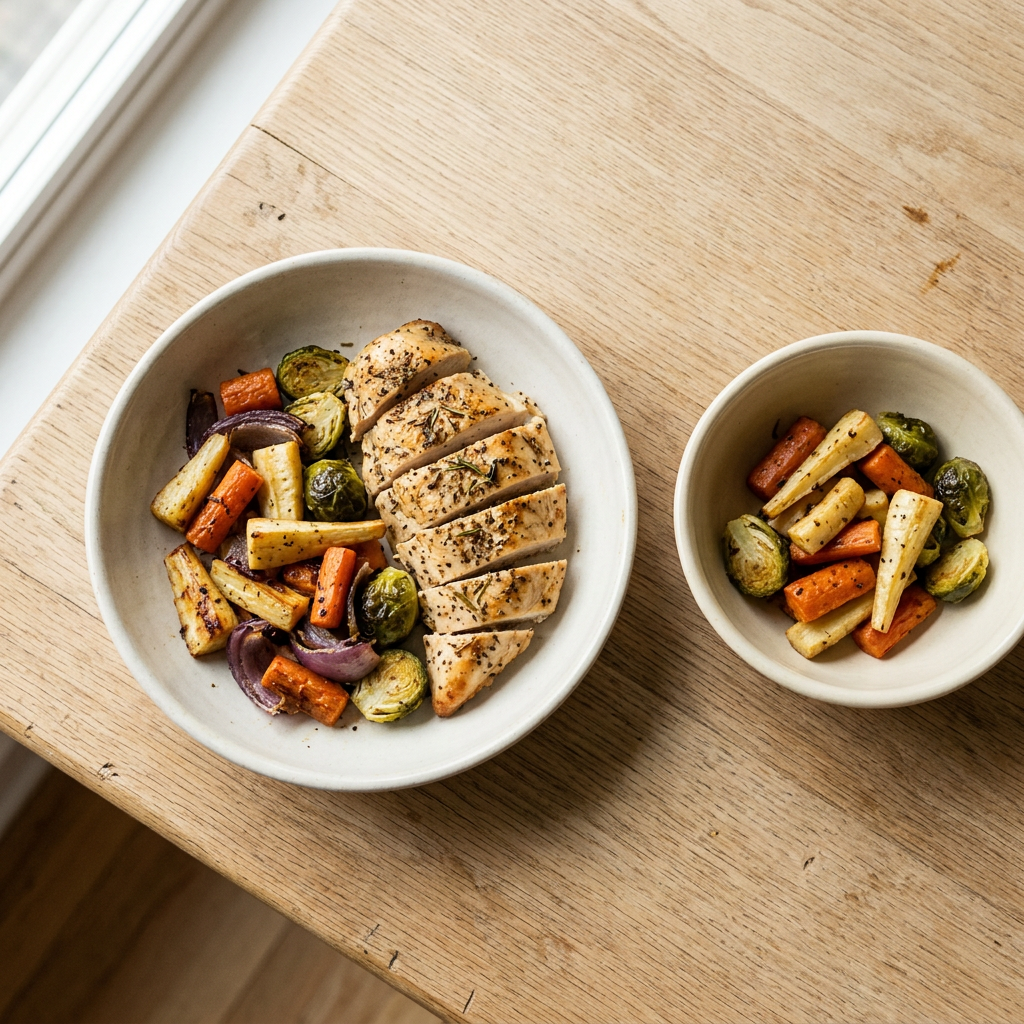
Simple Mother’s Day Dinner Ideas (That Don’t Feel Overwhelming)
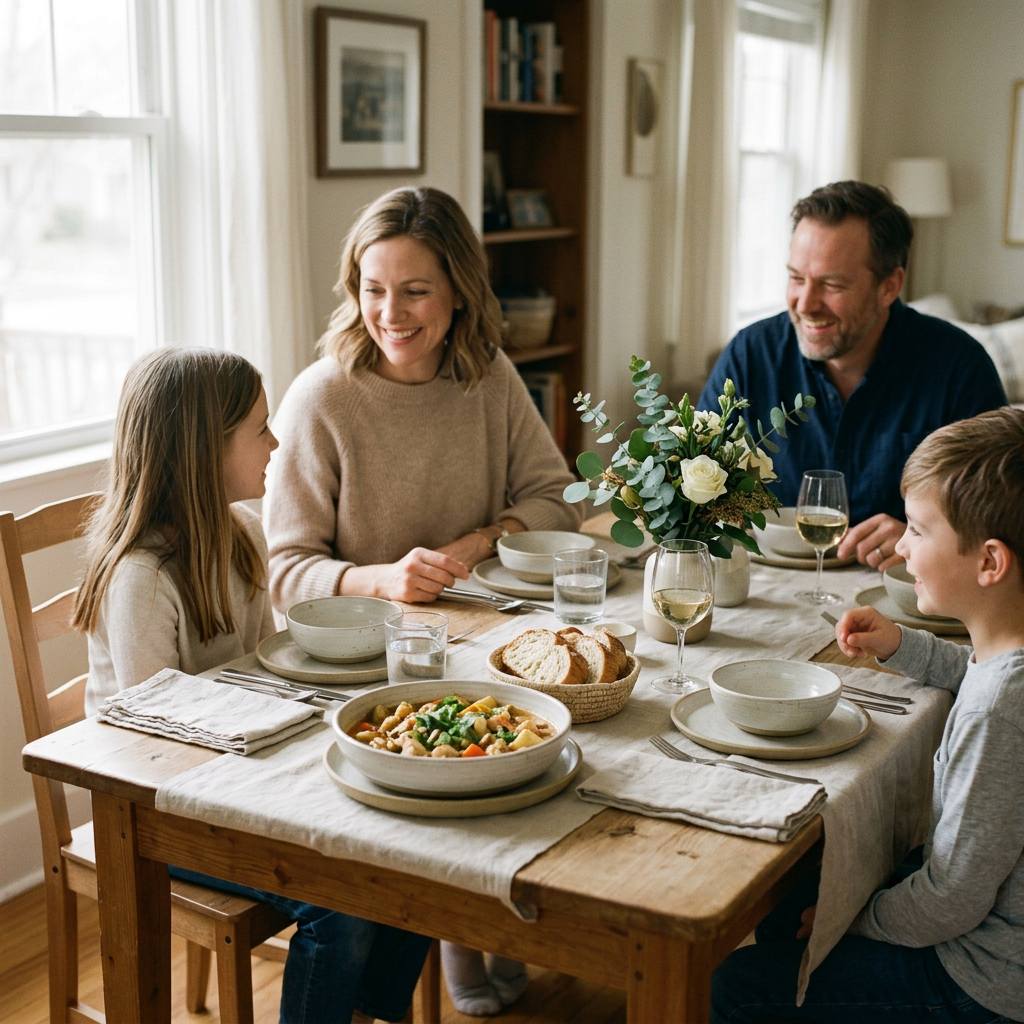
Some links on this page are affiliate links. If you choose to purchase through them, I may earn a small commission at no additional cost to you.
A simpler way to handle Mother’s Day dinner ideas
Mother’s Day dinner ideas often ends up feeling like more work than it should.
Even when the intention is good, it can turn into extra planning, extra dishes, and extra pressure to make something “special” — which usually just means more effort behind the scenes.
This year, instead of trying to do more, the goal is to make dinner feel easier.
Something warm, simple, and thoughtful that doesn’t leave anyone stuck managing the entire process.
Why dinner feels harder than it should
Most dinners don’t feel difficult because of the food itself.
They feel difficult because of how many moving pieces are involved — different steps happening at different times, too many dishes, and the constant feeling of needing to stay one step ahead.
By the time everything is ready, the experience feels rushed instead of relaxed.
And on a day that’s supposed to feel meaningful, that kind of pressure takes away from the moment instead of adding to it.
The Dinner System: Prep → Mix → Serve → Save

There’s an easier way to approach dinner — one that doesn’t rely on doing more, but on simplifying how everything comes together.
Instead of juggling multiple steps and trying to keep everything moving at once, this system breaks dinner into a simple flow you can return to again and again.
Prep → Mix → Serve → Save
It’s not about changing what you cook.
It’s about changing how you move through it.
Prep
Start by bringing everything together before you begin cooking.
Ingredients get rinsed, chopped, measured, or set out in one place so nothing feels scattered or rushed later.
This step isn’t about perfection — it’s about creating a sense of order so the rest of the process feels calmer and easier to manage.
Mix
As things cook, components can be combined or prepared in simple ways that don’t require extra steps or extra dishes.
Sauces, toppings, and sides can be mixed in the same bowls used during prep, keeping everything contained and easy to adjust as you go.
This is where flexibility comes in — nothing needs to be exact for it to work.
Serve
Serving doesn’t need to feel like a separate production.
Meals can be brought together simply, whether that means serving directly from the same bowls or placing everything out in a way that feels relaxed and natural.
The goal is to make the transition from cooking to eating feel easy, not like another step to manage.
Save
The best dinners don’t end when the meal is over.
By keeping things simple and contained throughout the process, leftovers are easier to store, reuse, or build into another meal the next day.
Instead of starting over tomorrow, part of dinner is already done — which makes the system feel sustainable, not just helpful once.
A simple Mother’s Day dinner example
A warm, simple dinner doesn’t need to be complicated to feel complete.
This is the kind of meal that comes together easily, uses minimal dishes, and still feels like something you can sit down and enjoy without rushing through it.
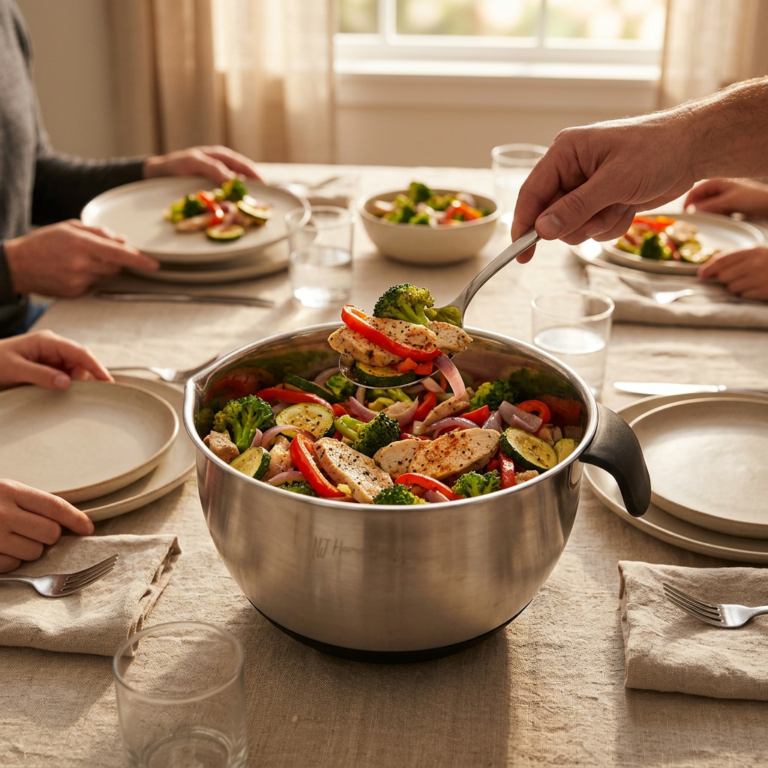
A sheet pan chicken and roasted vegetable dinner is a good place to start.
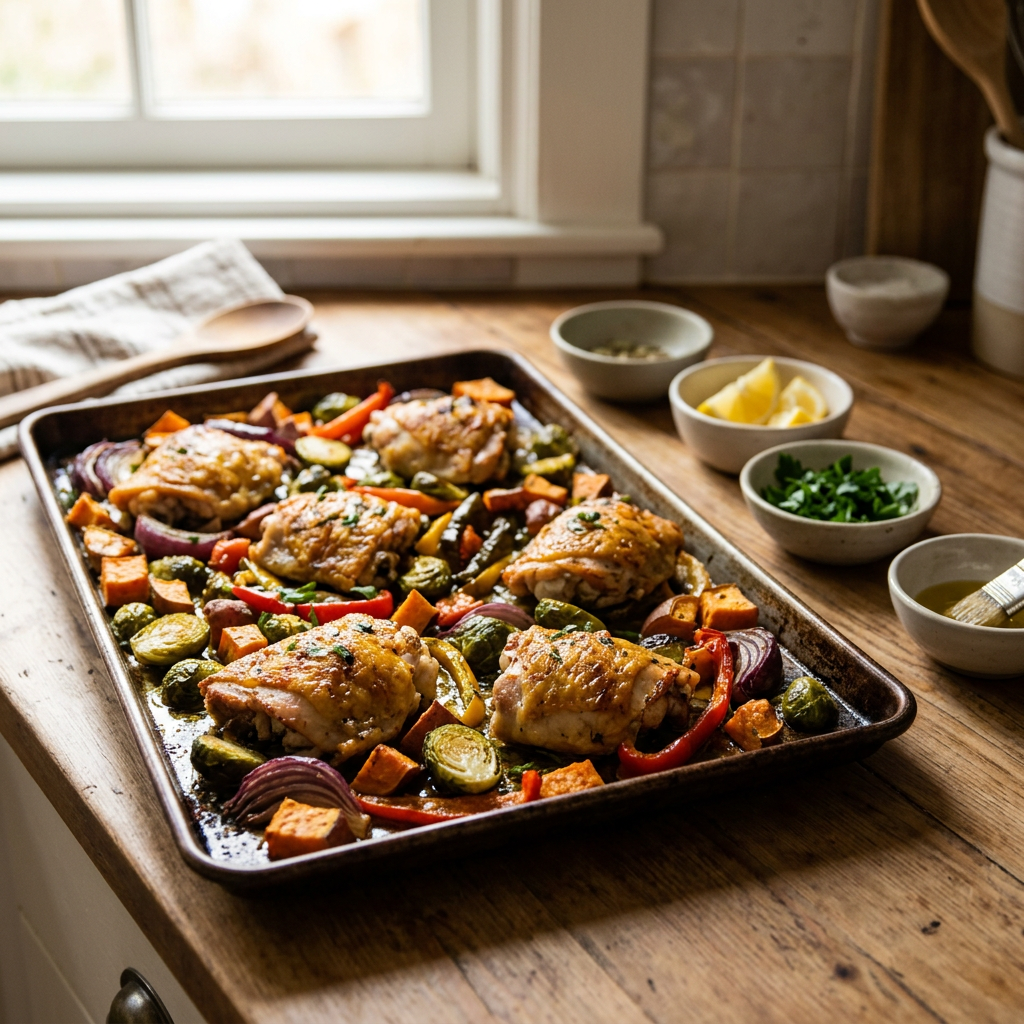
Start by prepping everything at once instead of piece by piece.
Vegetables can be rinsed, trimmed, and cut first, then set aside so they’re ready to go when the oven is preheated. If you don’t have a cutting board set up yet, this can be done directly in a wide, shallow bowl to keep everything contained and easy to transfer.
Chicken can be seasoned simply — olive oil, salt, pepper, and a few herbs — without needing anything overly complex.
Once everything is prepped, spread the chicken and vegetables onto a sheet pan in a single layer.
Roast at 400°F for about 25–35 minutes, depending on the size of the pieces, until the chicken is cooked through and the vegetables are tender with slight browning.
While everything cooks, you can use the same bowls to prepare anything that goes alongside it — a simple pasta, rice, or even a light sauce or dressing if you want something extra.
Keeping everything contained to the same few pieces helps the kitchen stay manageable instead of turning into a full reset afterward.
When it’s ready, dinner doesn’t need to be plated in a complicated way.
You can serve directly from the pan or transfer portions into bowls for a more relaxed, gathered feel at the table.
It keeps the focus on being together, not on presentation.
Anything left over can be stored easily and used the next day — added to a salad, wrapped into something quick, or reheated without needing to start from scratch again.
That’s what makes this system work beyond one meal.
Using a simple bowl set for prep and serving keeps everything contained and easier to manage without adding extra dishes.
A lighter option for a more relaxed evening
Not every dinner needs to feel like a full, structured meal.
Some evenings call for something a little lighter — still warm and satisfying, but easier to put together and easier to clean up afterward.
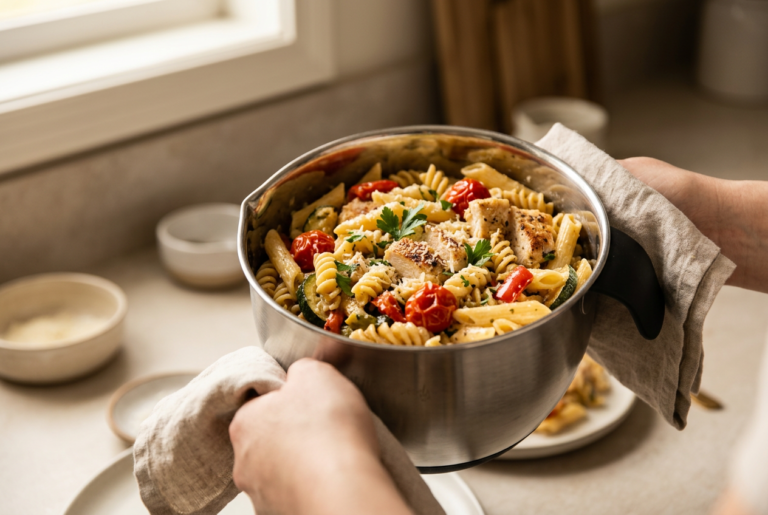
A simple pasta-based bowl works well here, especially when you want something flexible that doesn’t require everything to be finished at the same exact time.
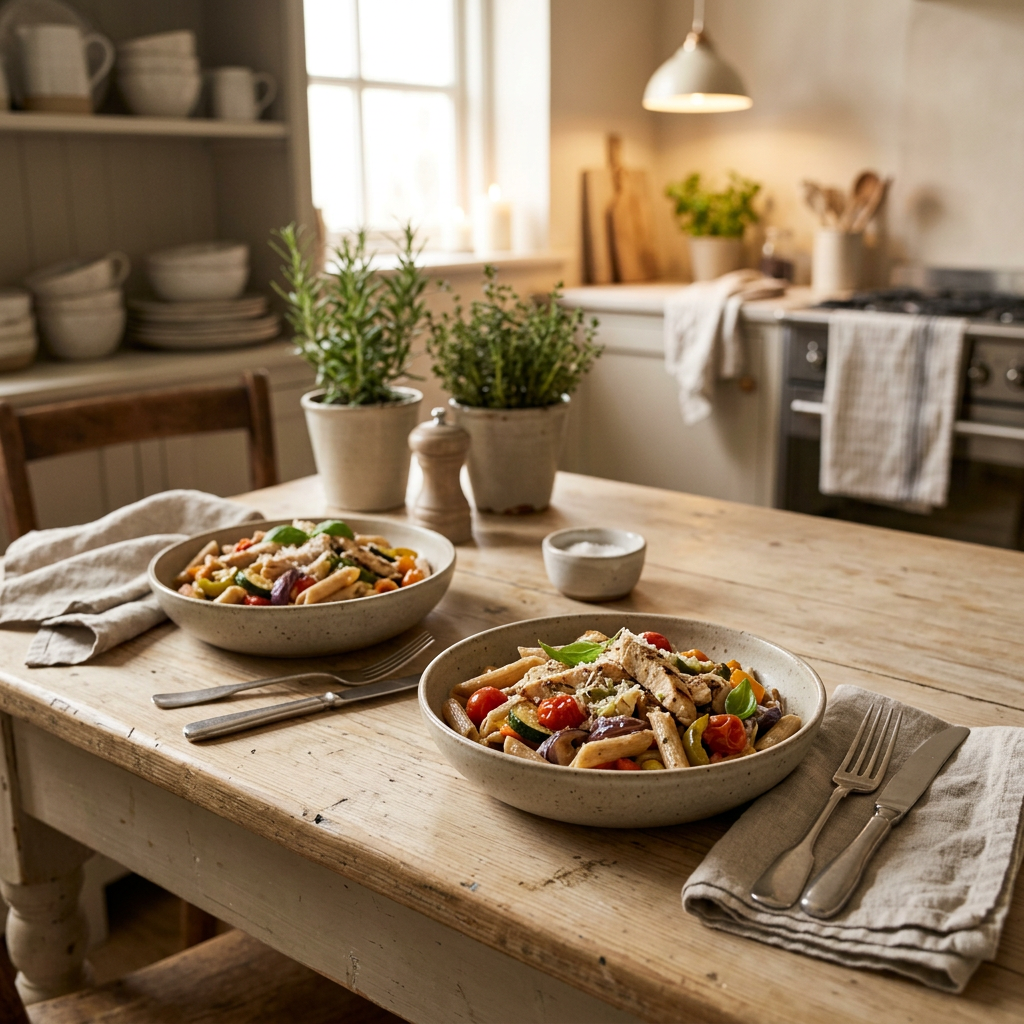
Start by bringing a pot of water to a boil and cooking your pasta according to the package instructions.
While that cooks, vegetables can be prepped the same way — rinsed and cut ahead of time, either on a cutting board or directly in a bowl to keep everything contained.
This keeps the process from spreading across the entire kitchen.
Vegetables can be roasted, sautéed, or even kept fresh depending on what you have and how much time you want to spend.
A simple protein — grilled chicken, shrimp, or even something pre-cooked — can be added without needing a separate, complicated step.
Once everything is ready, the meal comes together in one place.
Pasta, vegetables, and protein can be combined directly in a bowl with olive oil, butter, or a simple sauce.
There’s no need for exact measurements — just enough to bring everything together.
Serving stays just as simple.
Everything can be portioned directly into bowls, or placed out family-style so everyone can build their own.
It makes the meal feel more relaxed and less structured, which is often exactly what the evening needs.
Leftovers from this type of meal are easy to reuse.
They can be reheated, turned into a cold pasta dish, or mixed into something new the next day without starting from scratch again.
It keeps the system working beyond a single dinner.
This type of meal works especially well when everything can be combined and served from the same set of bowls.
Where this system makes things easier
Dinner doesn’t need to feel like something you have to manage perfectly for it to matter.
What makes a meal meaningful isn’t how many steps went into it or how much effort it required behind the scenes. It’s the way it fits into your life without adding more pressure to it.
When everything is simplified — when prep is contained, when cooking feels manageable, and when serving doesn’t become its own separate task — the entire experience shifts.
There’s more space to be present.
More room to actually sit down, take a breath, and enjoy the moment instead of thinking about what still needs to be done.
That’s what this kind of system is meant to support.
Not perfection.
Not complexity.
Just a way to make dinner feel lighter, easier, and more repeatable — especially on a day that’s meant to feel meaningful in the first place.
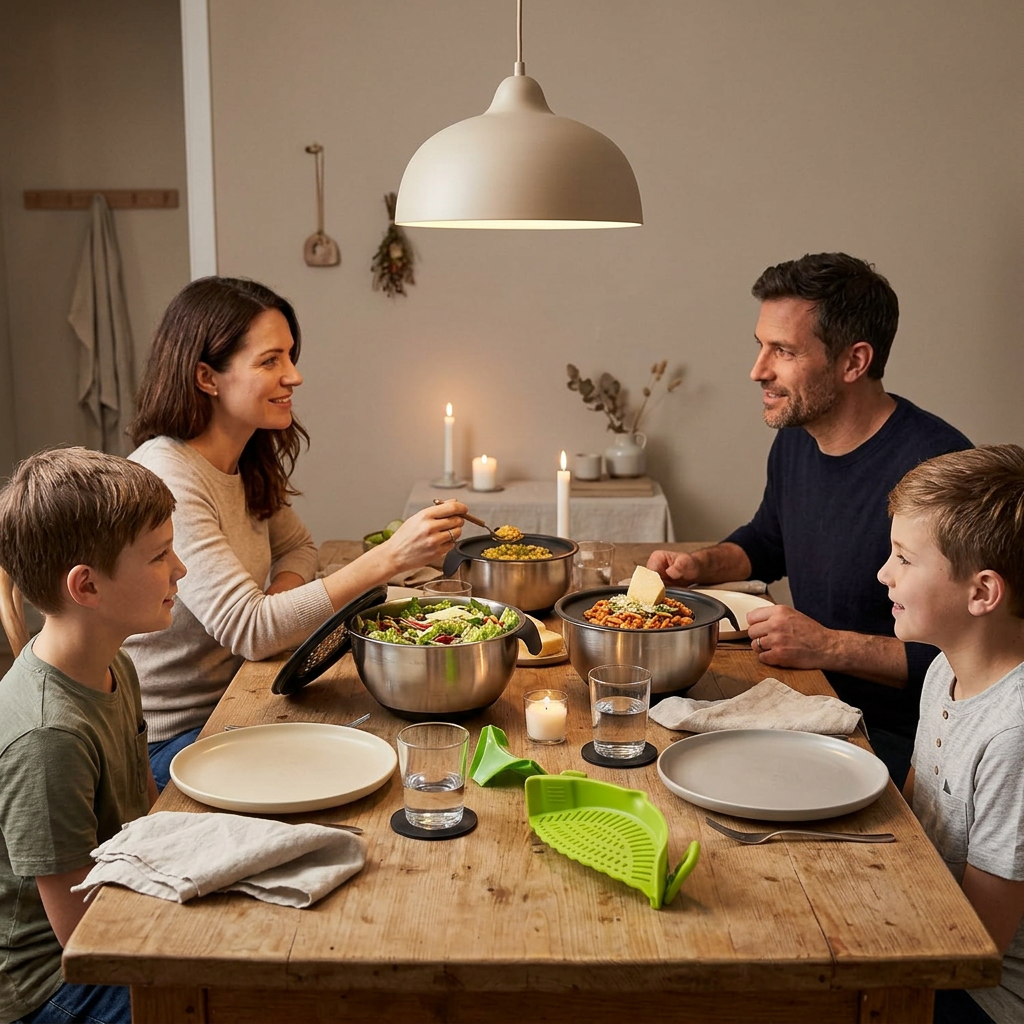
Let dinner feel lighter this year
This Mother’s Day, dinner doesn’t have to be something that takes more out of the day.
It can be something that fits into it more naturally — something warm, simple, and easy to return to without overthinking it.
Whether it’s a full meal or something a little more flexible, the goal isn’t to do more.
For nights when even this feels like too much, a simple board-style dinner can be an even easier option.
It’s to make space for what actually matters.
As an affiliate, I may earn from qualifying purchases.